Product & technical lead · Originator / Spin Master
Cubric
Setting a new direction for a multiplayer creation game.
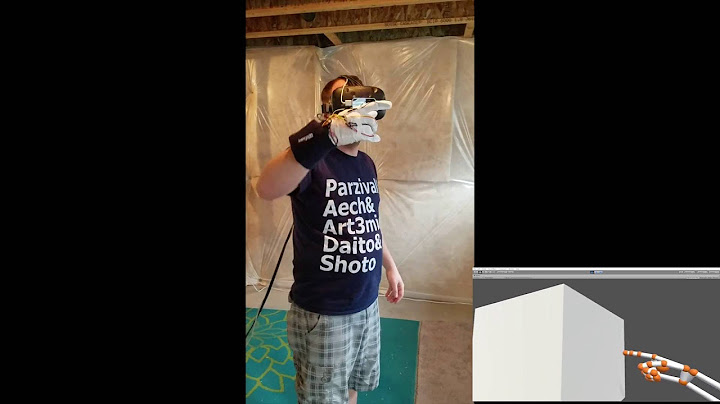
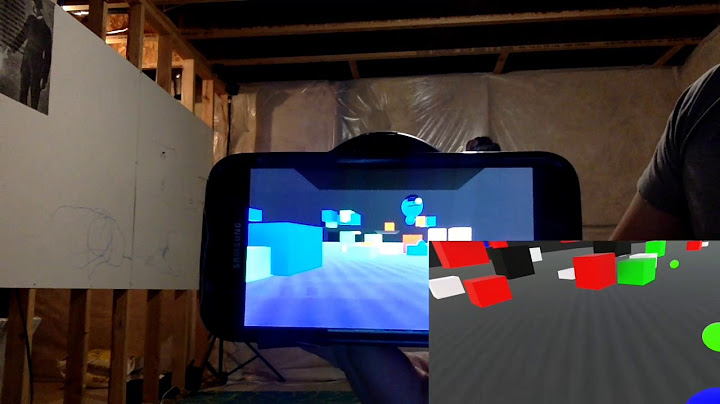
I grew from backend engineer into product and technical leadership, owning the roadmap and coordinating roughly 20 people across engineering, QA, art, and marketing.
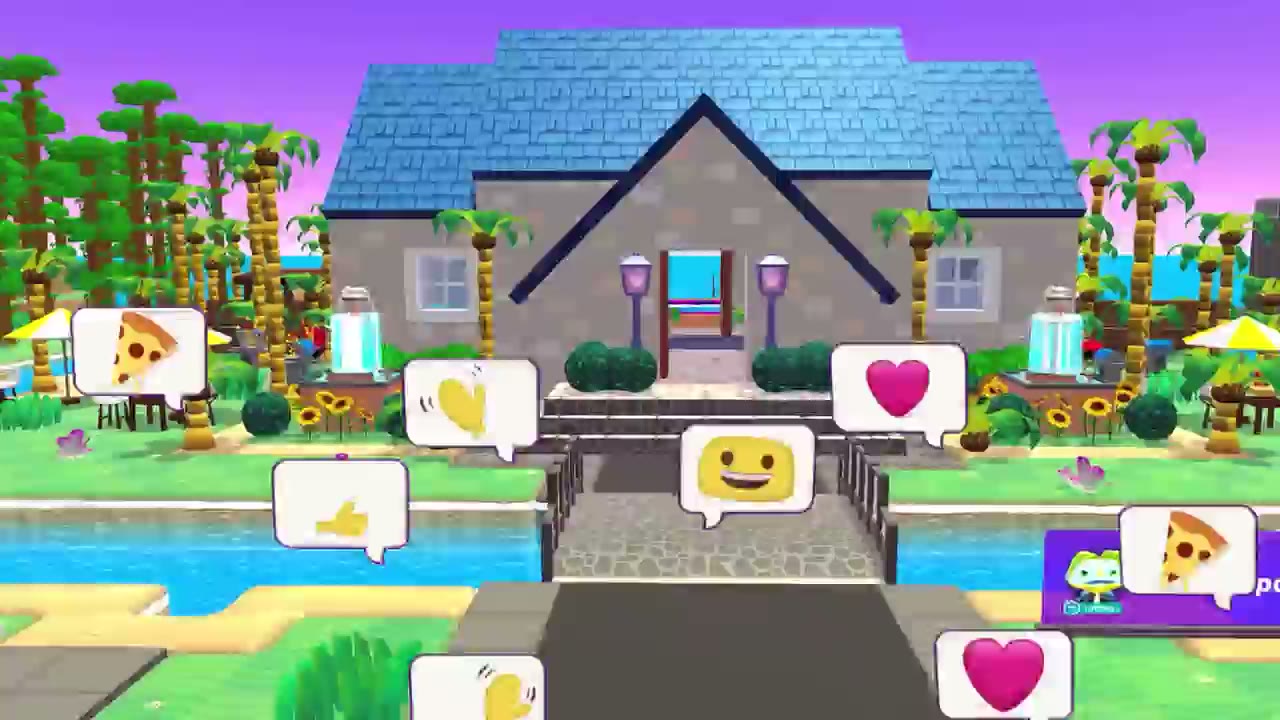
Playtesting and engagement data showed that private worlds weren’t giving players enough reason to return. Adding multiplayer islands and player-created obstacle courses improved retention.
I set priorities, delegated across disciplines, and coached engineers through nearly weekly releases. I kept studio and executive leadership informed about progress, product performance, risks, and decisions.
Technical foundation I built the account and commerce services and designed the multiplayer architecture, separating real-time movement from durable world and player state.
Product & technical lead · Originator / Spin Master
PAW Patrol Story Maker
Turning an AI opportunity into a product children could use.
I led a multidisciplinary team of about 10 from concept to launch in nine months, owning product direction, technical decisions, and delivery.
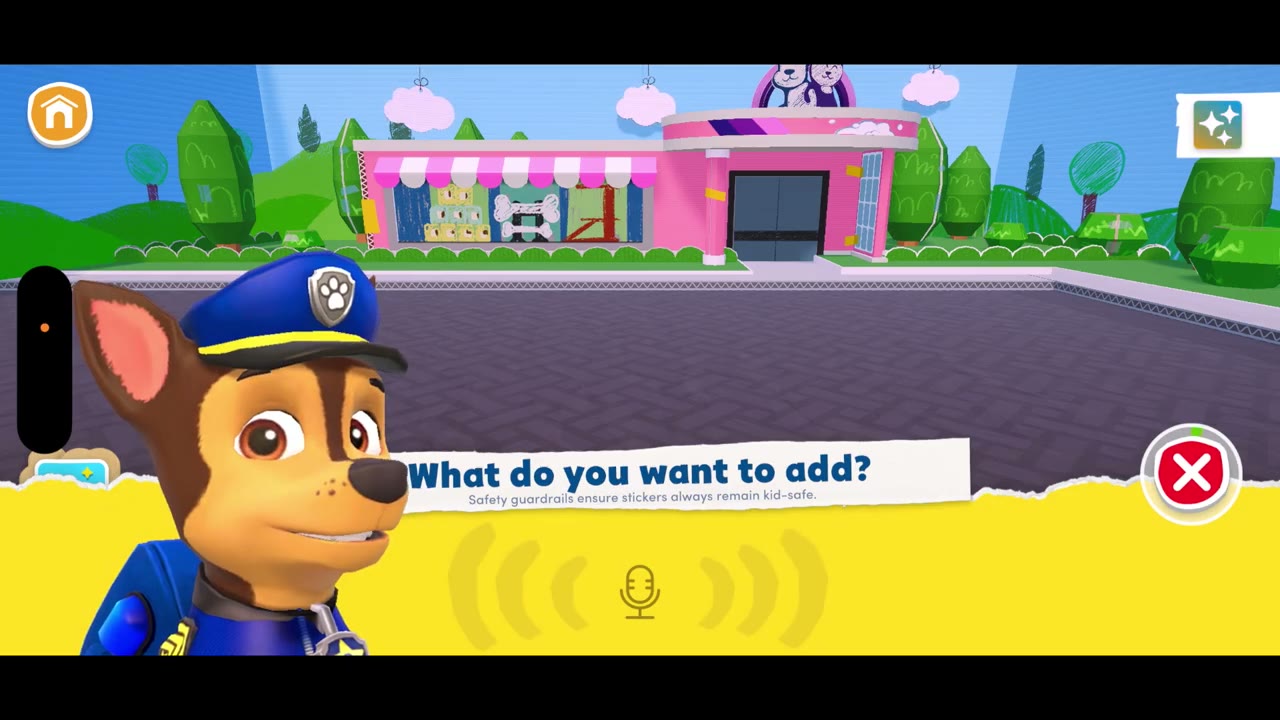
Playtesting led me to replace a single spoken prompt with a guided conversation. Chase helped children develop their ideas before generating stories and stickers, bringing the results closer to what they imagined.
I sequenced the work across the experience, generation systems, and safety controls, coordinating playtesting and validation before release. Two independent red teams were unable to produce unsafe stories or images during their testing.
Technical foundation I designed the architecture, conversational flow, generation pipelines, and layered safety evaluations.
Project notes ↗
Founder & product owner · Zebra Finch Games
Rooms Unseen
Owning the product, its business model, and how it gets made.
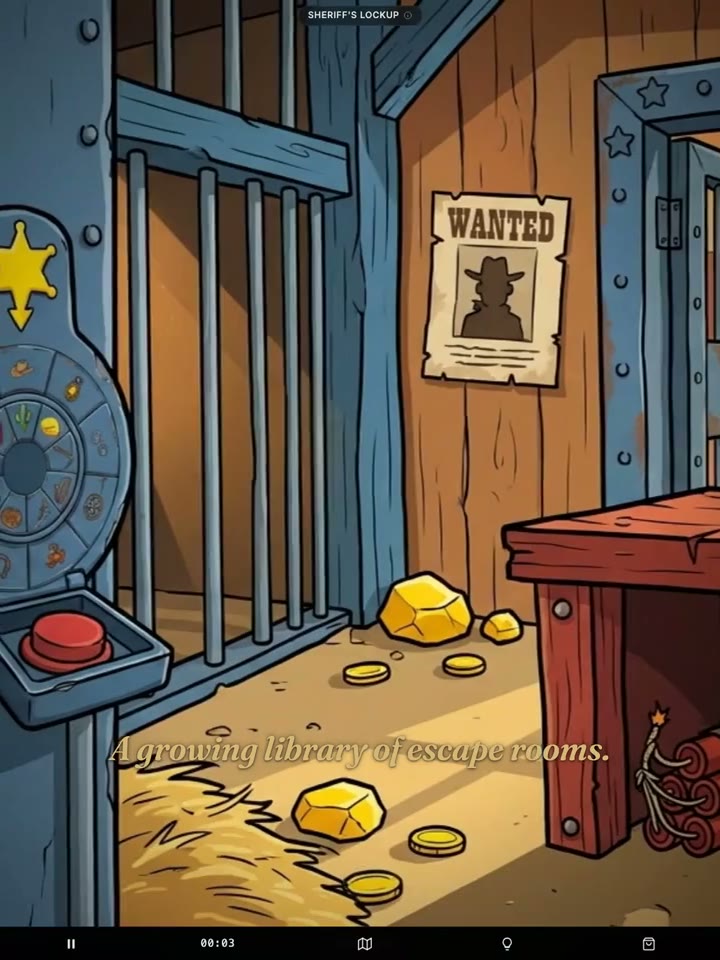
I founded Zebra Finch Games and independently built and launched Rooms Unseen, an escape-room app with more than 60 rooms. I own the roadmap, pricing, content production, and live operations.
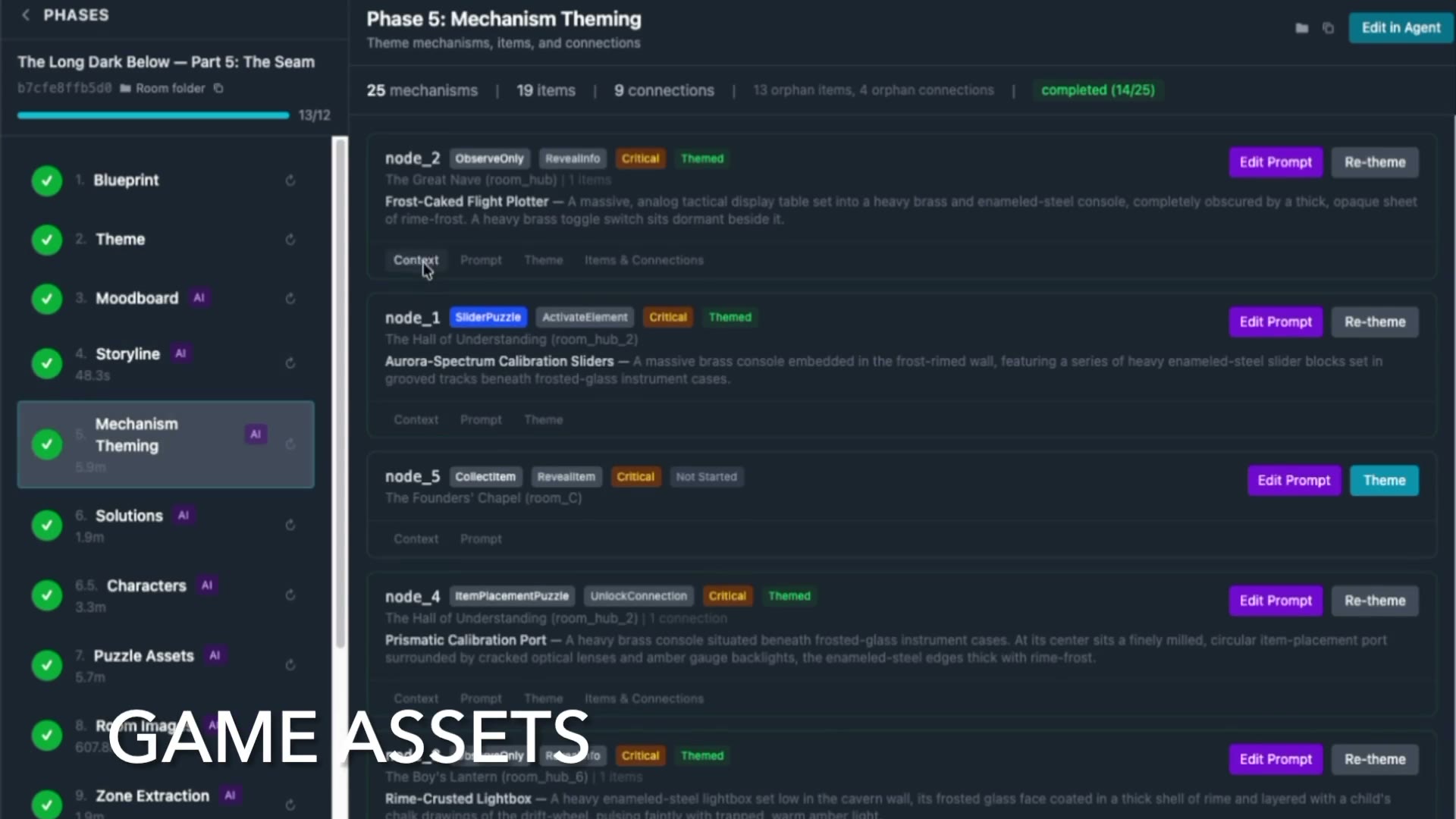
Early experiments showed that AI-generated puzzle logic was unreliable. I moved solvability into deterministic generation and validation, using AI for the creative layers. That decision made repeatable content production possible.
Technical foundation I built the app and backend with React, TypeScript, and Firebase, along with a 13-stage production pipeline for generation, targeted revisions, and human review.